Our mission is to preserve, promote, and share Kanhu Murmu’s legacy by educating communities, empowering tribal identity, documenting history, and inspiring future generations through truthful storytelling, cultural awareness, and collective pride.
Vision
Our vision is to build a world where Kanhu Murmu’s courage, values, and leadership continue to guide people, strengthening cultural heritage, encouraging unity, and fostering respect, dignity, and recognition for indigenous communities.
Contribution to India’s Freedom Movement
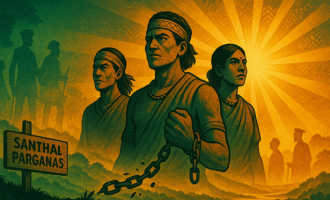
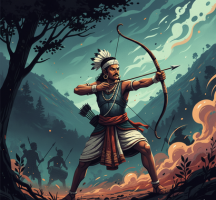
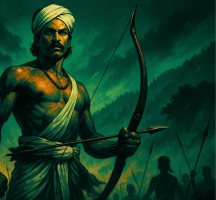
Kanhu Murmu’s contribution to India’s freedom movement stands as one of the earliest and most powerful expressions of resistance against British colonial rule. Through his leadership in the Santhal Rebellion of 1855–56, he challenged not only British authority but also the exploitative systems of zamindars and moneylenders that oppressed tribal communities.
Kanhu Murmu
Santhal Rebellion of 1855–56
Impact on Tribal Rights Movements
Awakening of Tribal Political Consciousness
Kanhu Murmu’s leadership awakened a strong political awareness among tribal communities. The Santhal Rebellion showed that indigenous people could collectively challenge injustice. This realization later encouraged organized tribal movements demanding rights, representation, and recognition within India’s political and social systems.
Strengthening Land Rights Movements
The rebellion highlighted the importance of ancestral land ownership for tribal survival. Kanhu Murmu’s struggle became a reference point for future movements opposing land displacement, forced acquisition, and exploitation. His legacy reinforced the idea that land is central to tribal identity and dignity.
Inspiration for Future Adivasi Leaders
Kanhu Murmu’s courage inspired generations of tribal leaders and activists. His resistance provided a historical foundation for later Adivasi movements across India, motivating leaders to organize peacefully or politically while defending community interests and indigenous rights.
Influence on Legal and Administrative Reforms
The impact of the Santhal Rebellion led to administrative changes, including special governance structures for tribal areas. These reforms later influenced protective laws for tribal communities, helping limit exploitation by landlords and outsiders while recognizing indigenous autonomy.
Preservation of Tribal Identity and Unity
Kanhu Murmu’s movement strengthened tribal unity and pride. His legacy encouraged communities to protect their culture, traditions, and social systems. This cultural confidence became a driving force behind long-term tribal rights movements and collective resistance against cultural erosion.
Statues and Public Memorials
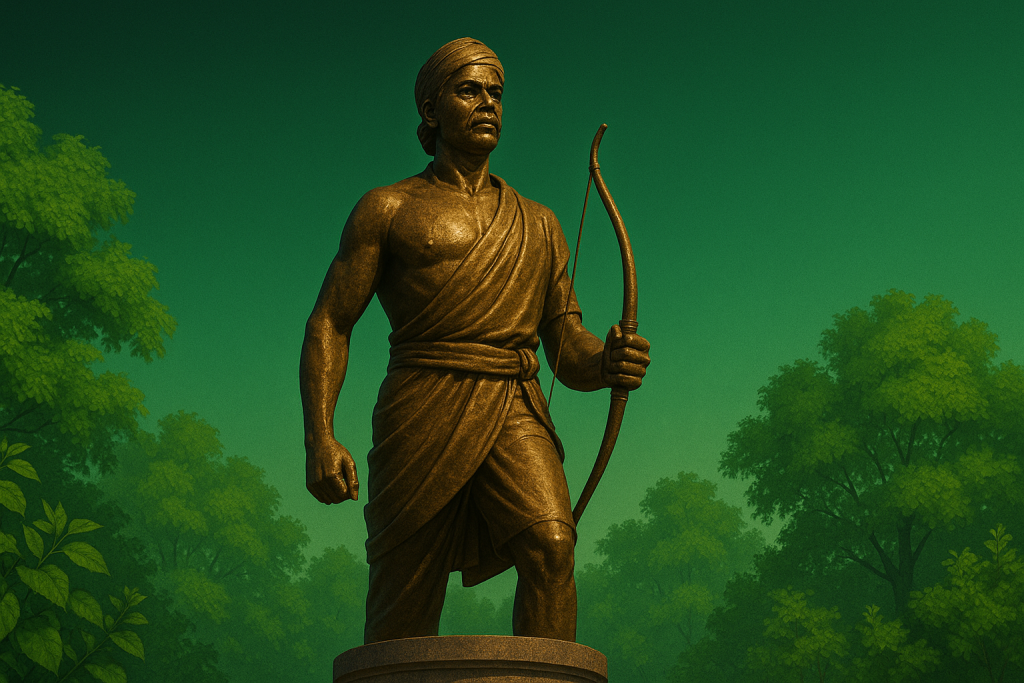
Statues of Kanhu Murmu have been installed at important public places, especially in Jharkhand, West Bengal, and tribal regions
Sido Kanhu Murmu University
The establishment of Sido Kanhu Murmu University and the naming of schools, colleges, and public institutions after Kanhu Murmu
Government Recognition
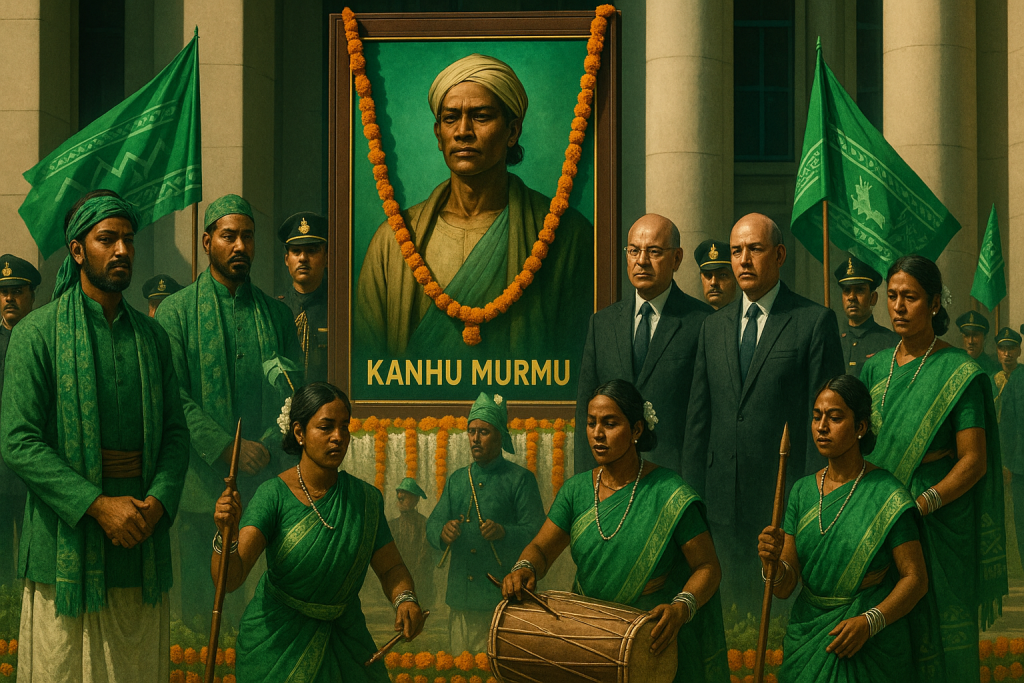
Kanhu Murmu has been officially recognized by state and national governments as a tribal freedom fighter. His birth anniversary