Biography
- Home
- Biography
Early Life
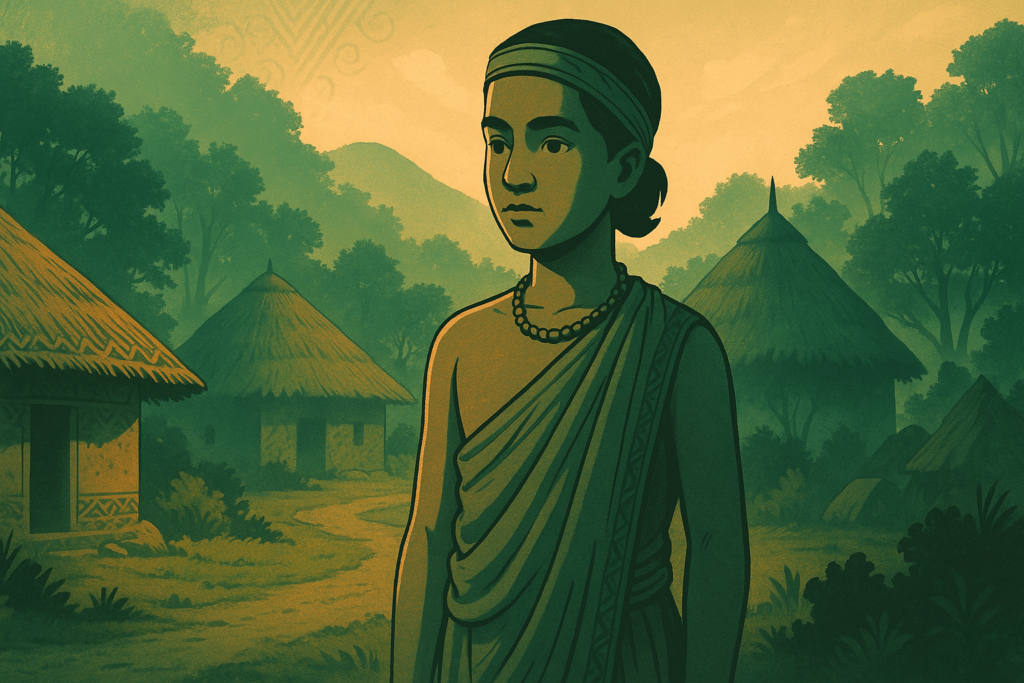
Kanhu Murmu was born in Bhognadih, a Santhal village known for its strong cultural roots and community spirit. Raised in a traditional tribal environment, he learned values of courage, unity, and social responsibility from a young age. Surrounded by forests, farmland, and ancestral customs, Kanhu grew up witnessing the hardships faced by his people under exploitative systems. These early experiences shaped his determination to protect the Santhal community and laid the foundation for his future role as a revolutionary leader.
- Born in Bhognadih, a culturally rich Santhal village.
- Grew up with strong tribal traditions and community values.
- Witnessed exploitation of Santhals, which shaped his resistance mindset.
- Learned leadership skills through village gatherings and rituals.
Education, Awakening & the Making of a Leader
Kanhu Murmu’s leadership emerged from deep cultural learning, spiritual awakening, and a growing commitment to uplift and protect his community
Education & Spiritual Awakening
Kanhu Murmu’s education was shaped by the traditional Santhal learning system, where knowledge was passed through community elders, oral teachings, and lived experiences rather than formal schooling. From a young age, he learned stories of tribal ancestors, social values, forest wisdom, and the responsibilities of protecting the community. This cultural education helped him understand issues of land, survival, and unity among his people.
Alongside this, Kanhu experienced a deep spiritual awakening rooted in Santhal rituals, nature worship, and ancestral reverence. The spiritual environment of his village instilled in him a strong sense of justice and moral duty. He believed that every individual held a divine responsibility to safeguard their land and culture. This blend of traditional learning and spiritual strength shaped Kanhu into a thoughtful, determined leader. His early insights later guided him in mobilizing the Santhal community and inspiring them to resist oppression with courage and unity.
Rise as a Leader
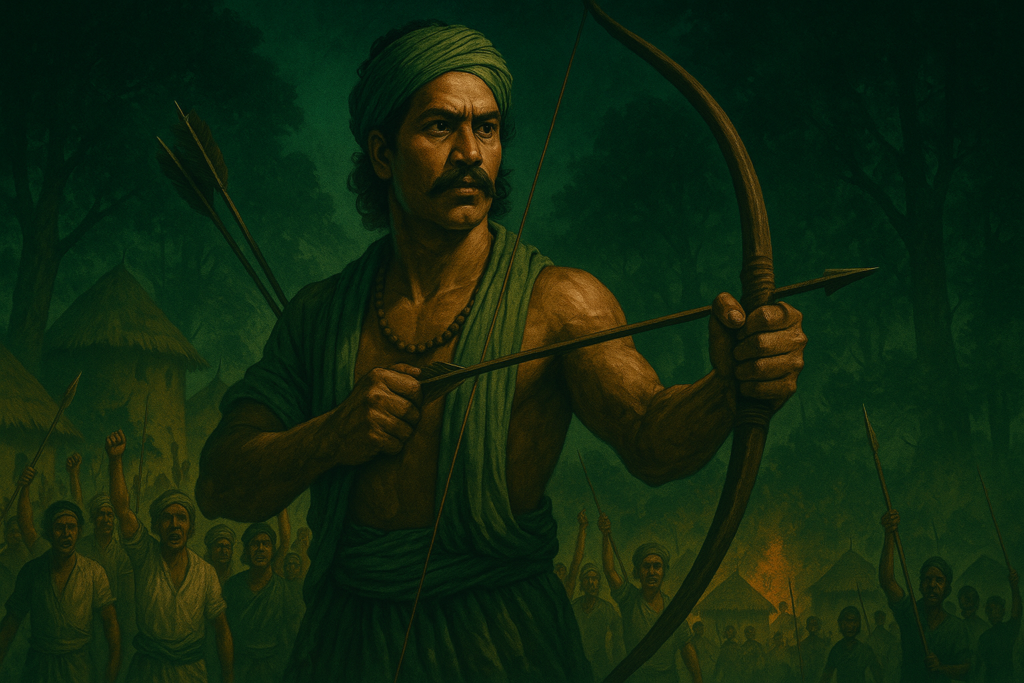
Kanhu Murmu’s rise as a leader began with his deep connection to the struggles of the Santhal community. Growing up in Bhognadih, he witnessed exploitation, unfair land practices, and the harsh treatment of his people under British rule and oppressive landlords. These early experiences awakened a strong sense of responsibility in him. Known for his sharp thinking, courage, and ability to unite people, Kanhu naturally emerged as a guiding figure within village gatherings and community decisions.
As tensions increased across the Santhal region, Kanhu stepped forward to organize people, spread awareness, and inspire collective resistance. His ability to communicate clearly and rally large groups made him a respected voice among villagers. With a clear vision of justice and freedom, he motivated thousands to stand against oppression. His leadership was not just political—it was moral, cultural, and spiritual—rooted in protecting the dignity and rights of his people. This strength ultimately shaped him into a historic revolutionary figure.
Significance in Santhal history
Kanhu Murmu holds immense significance in Santhal history as a symbol of courage, unity, and resistance against oppression. As one of the principal leaders of the Santhal Rebellion of 1855–56, he gave voice to the long-standing grievances of the Santhal community, who were suffering under British colonial rule, exploitative zamindars, and cruel moneylenders. Kanhu’s leadership transformed scattered tribal discontent into an organized mass movement, uniting thousands of Santhals across villages and regions.
His significance also lies in defending Santhal identity, culture, and ancestral land. Kanhu stood firmly for tribal self-respect and autonomy, encouraging his people to protect their traditions and way of life. Even after his martyrdom, his legacy continued to inspire tribal movements and social reforms. In Santhal history, Kanhu Murmu is remembered not just as a rebel leader, but as a guardian of dignity, cultural pride, and the collective spirit of resistance that defines the Santhal community.