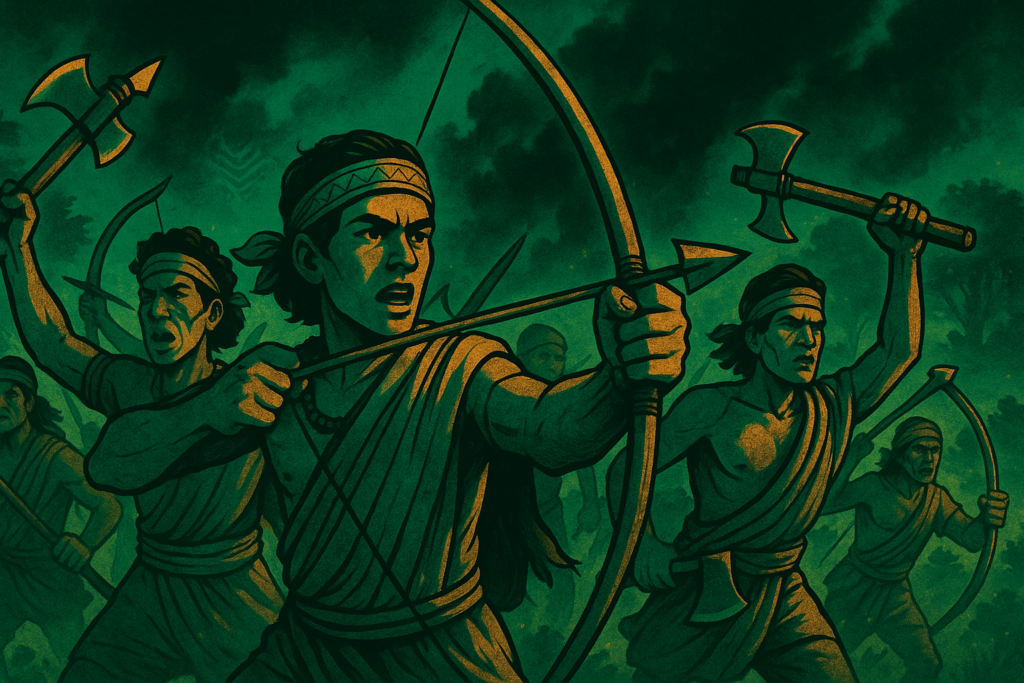
Santhal Rebellion (1855–1856)

What Was the Santhal Rebellion?

The Santhal Rebellion, also known as the Santhal Hul of 1855–1856, was a powerful tribal uprising against British colonial rule, exploitative landlords, and oppressive moneylenders in the eastern regions of India. Led by Sidhu Murmu, Kanhu Murmu, and other Santhal leaders, the movement emerged from years of suffering caused by unfair land systems, heavy taxes, forced labour, and the loss of ancestral land. The Santhals united in thousands to reclaim their freedom, dignity, and cultural identity. Although the revolt was eventually suppressed by British forces, it marked one of the earliest and most significant resistance movements in India’s freedom struggle. The Santhal Rebellion remains a symbol of courage, unity, and the unbreakable spirit of indigenous communities fighting injustice.

British colonial officers

Zamindars (landlords)

Mahajans (moneylenders)

Objectives of the Movement

End British Colonial Oppression

The movement sought to free the Santhal community from the harsh control of British officers, whose laws, taxes, and policing systems disrupted their peaceful life and denied them justice, dignity, and the right to live according to their customs.

Resist Oppressive Zamindars

Santhals aimed to break the power of zamindars who seized lands, imposed heavy rents, and treated tribal families unfairly. The rebellion demanded the restoration of traditional land rights and protection from exploitative practices that destroyed their livelihoods.

Free People from Moneylenders

A major objective was to protect the community from mahajans who trapped Santhals in endless debt through unfair interest rates. The movement fought for economic independence and freedom from financial exploitation that kept families in generations of poverty.

Reclaim Ancestral Lands

The rebellion focused on regaining lands that Santhals had cleared, cultivated, and protected for generations. They wanted legal recognition of their ownership and the right to safeguard their forests, fields, and villages without interference from outside authorities.

Restore Tribal Governance

Santhals wanted to revive their traditional system of leadership, justice, and community decision-making. The rebellion aimed to protect cultural identity, social harmony, and the authority of village leaders who upheld customs and ensured fairness within the tribe.

Establish Freedom

The movement sought a society where Santhals could live without fear, discrimination, or manipulation. It aimed to build a future rooted in equality, respect, and freedom, allowing families to live with pride and follow their cultural heritage.

Impact of the Santhal Rebellion

The Santhal Rebellion of 1855–56 left a powerful and lasting impact on India’s colonial history, tribal rights, and socio-political consciousness. Although brutally suppressed, the uprising forced the British government to confront the deep injustices faced by the Santhal community. It revealed how unfair taxation, land grabbing, and exploitation by zamindars and moneylenders had created unbearable conditions for indigenous people.

As a direct result of the rebellion, the British enacted significant administrative changes, including the formation of the Santhal Parganas in 1855, giving the region a distinct identity and special governance structure. New laws were introduced to limit the authority of zamindars and regulate the activities of moneylenders, offering some relief to tribal families.

The rebellion also sparked a broader awareness of tribal rights, inspiring future movements across India. It strengthened the identity, unity, and cultural pride of the Santhal people, ensuring that their struggle for justice and dignity became a foundational chapter in India’s resistance narrative. Today, the uprising stands as a symbol of courage, self-respect, and the unyielding fight against oppression.


Scroll to Top

British Colonial Officers

British colonial officers played a central role in creating the oppressive conditions that led to the Santhal Rebellion. After taking administrative control of the Santhal region, the British introduced new laws, revenue systems, and policing methods that disrupted the traditional way of life. Santhals, who lived peacefully on ancestral lands, were suddenly burdened with taxes they had never known before. British officers often ignored tribal customs, seized land for revenue expansion, and supported outsiders who exploited the tribe. Harsh punishments, land surveys, and forced labour added to the suffering. When the Santhals resisted these injustices, they were met with violence, arrests, and intimidation. Instead of protecting the community, colonial officers enabled exploitation, allowing moneylenders and landlords to take advantage of tribal vulnerability. The unfair and rigid administration pushed the Santhals to unite, leading to one of the earliest and strongest uprisings against British rule in Indian history.

Zamindars

Zamindars played a major role in the hardships faced by the Santhal community before the rebellion. Under the British revenue system, many powerful landlords took control of tribal lands, often by deception or force. Generations of Santhal families who had cultivated the land suddenly lost ownership and were turned into tenants overnight. These landlords demanded heavy rents, which were impossible for the tribal farmers to pay. When people failed to pay, the zamindars confiscated land, seized crops, or forced them into bonded labour. Many zamindars also appointed their own armed guards to maintain control and threaten villagers. Their authority grew unchecked, as colonial officers supported them in exchange for loyalty and tax revenue. This created a cycle of exploitation, poverty, and fear. Kanhu Murmu and his followers witnessed this injustice daily, and the cruelty of landlords became one of the strongest motivations for organizing the Santhal Rebellion.

Mahajans

Mahajans, or moneylenders, were among the harshest oppressors of the Santhal people, trapping them in endless cycles of debt. Due to their simple lifestyle and lack of formal economic systems, Santhals often borrowed small amounts during emergencies. But the moneylenders charged extremely high interest rates, sometimes doubling or tripling the amount owed. When the Santhals could not repay, the mahajans manipulated records, stole land, and forced people to work without wages. Many villagers fell into lifelong debt bondage. These moneylenders often worked closely with zamindars and British officials, making the system even more exploitative. They controlled grain, land documents, and loan records, leaving the Santhals powerless. This constant economic pressure pushed the community into despair, poverty, and anger. The brutal practices of mahajans were a major spark behind the Santhal Rebellion, driving Kanhu Murmu and his people to rise and fight for justice, freedom, and dignity.